Can Eye Color Change Based on Your Emotional State?
- What You’ll Learn:
- Can Eye Color Change Based on Your Emotional State?
- How Do Emotions Affect the Perception of Eye Color?
- How Emotions Affect Eye Color Perception
- Factors That Influence the Appearance of Eye Color
- Can Your Eyes Permanently Change Color Due to Emotions?
- Conclusion: Do Emotions Really Change Your Eye Color?
Have you ever noticed that your eyes seem to change color depending on how you’re feeling? Maybe they look darker when you’re angry or brighter when you’re happy? It’s an intriguing question, and in this article, we’ll dive into the science behind whether eye color can change based on your emotional state, how it works, and what other factors might influence how your eyes look in different situations.
What You’ll Learn:
- Can your eye color actually change with emotions?
- How pupil size affects eye color perception
- Biological and emotional factors that contribute to changes in eye appearance
- Medical conditions and other factors that can permanently change your eye color
Can Eye Color Change Based on Your Emotional State?
The short answer is: not really, at least not in a permanent way. Your eye color itself does not physically change due to your emotions. However, emotions can influence your pupil size, and this can create the illusion that your eye color has changed. This is why you might notice that your eyes look a little different depending on whether you're feeling excited, sad, or stressed.
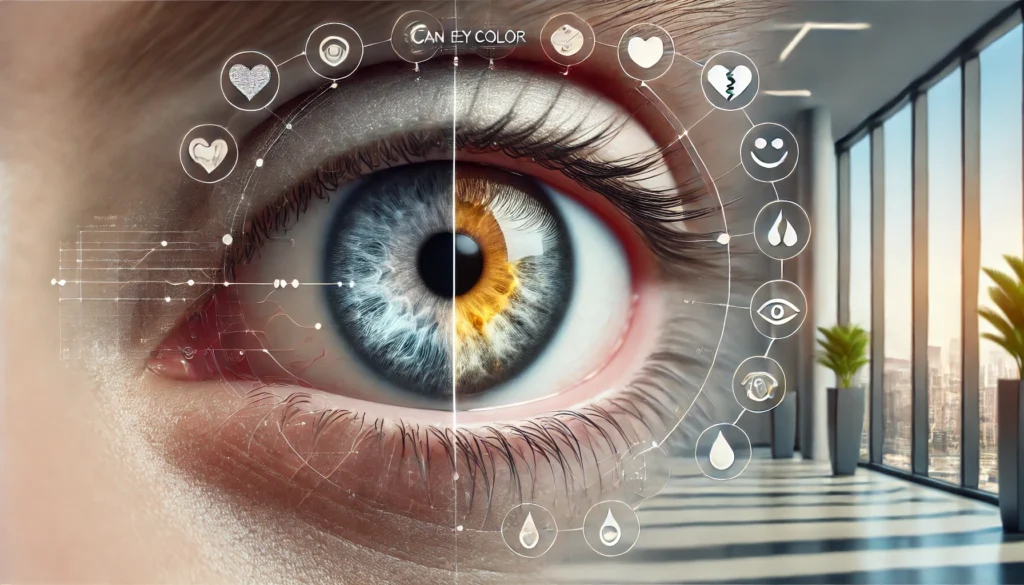
Emotions like happiness, anger, or sadness can trigger hormonal responses that affect your pupils. When your pupils dilate or constrict, it changes the way light enters your eye, which alters how your iris color appears to others.
Emotional Responses and Pupil Dilation
When you experience intense emotions, like fear or excitement, your body releases hormones like oxytocin or adrenaline. These hormones trigger the fight or flight response, which includes pupil dilation—a survival mechanism designed to let in more light and improve vision in dangerous or stimulating situations.
- Perceived color changes: When your pupils dilate, your iris appears smaller, and less of your natural eye color is visible. This can make your eyes seem darker or more intense, especially if you have light-colored eyes.
- Example: People with blue or green eyes often notice this effect more, as their eyes may appear a deeper shade or more vibrant when they’re feeling strong emotions like excitement or attraction.
On the other hand, when you’re calm or relaxed, your pupils constrict, which can make your iris appear larger, and your eyes can look lighter or less intense.
- Fun fact: Some researchers have found that people are more attracted to others whose pupils are dilated, which is why your eyes may appear more appealing when you’re in a heightened emotional state.
How Do Emotions Affect the Perception of Eye Color?
The Biological Mechanism Behind Eye Color Perception
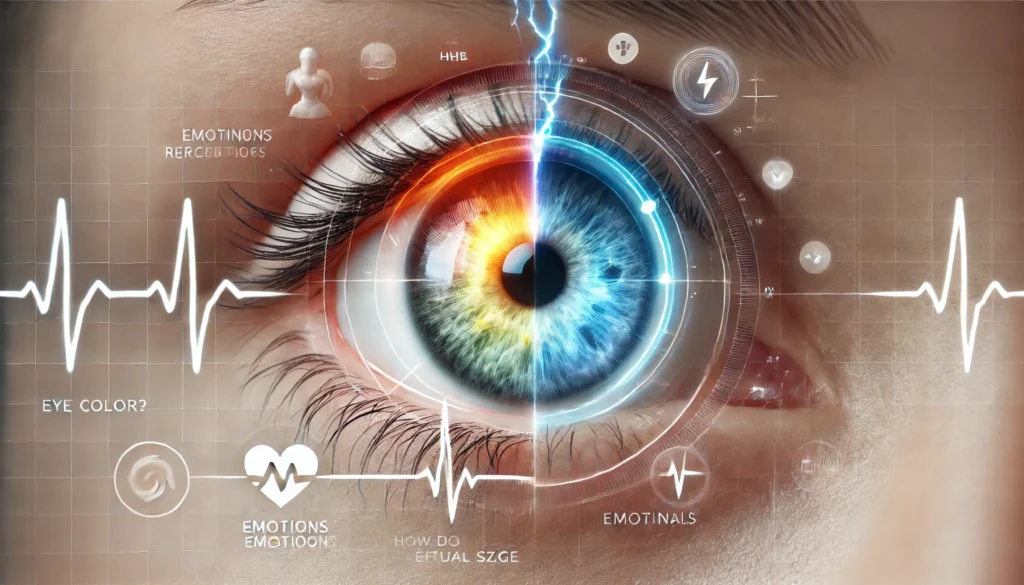
Your emotions influence your autonomic nervous system, which controls involuntary bodily functions like heartbeat, digestion, and pupil dilation. Emotional changes that lead to pupil dilation can alter the way light is reflected off your iris, affecting how others perceive your eye color.
- Happiness and Anger: When you're happy or excited, your pupils dilate. This makes your eye color appear more vibrant, even if the color itself hasn’t changed. Similarly, during times of anger, your body goes into overdrive, dilating your pupils and making your eyes appear more intense.
- Sadness and Fatigue: Sadness and fatigue can cause your pupils to constrict, making your eyes look smaller and less bright. This gives the appearance of lighter, duller eyes, which may be why people say your eyes “lose their sparkle” when you’re sad.
In essence, your eye color isn't actually changing, but the emotional state you're in affects the size of your pupils, which changes how much of your iris is visible, altering the appearance of your eye color.
How Emotions Affect Eye Color Perception
The Illusion of Color Change
Emotional Factors
Biological Mechanism
Medical Considerations
Illusions of Eye Color Changes
Eye color changes tied to emotions are mainly optical illusions. While your iris pigment stays the same, the way light interacts with your eyes shifts due to variations in pupil size.
- Happiness and Bright Eyes: People often associate happiness with brighter eyes. This isn’t because the color has shifted, but because happy emotions cause dilation, increasing light reflection and making eyes appear more vibrant.
- Tears and Eye Brightness: Laughter or crying can also enhance the appearance of your eye color. Tears cause redness in the whites of your eyes, which contrasts with the iris and can make your eyes appear sharper or more brilliant.
Fact: This connection between pupil size and emotion is why some people say your eyes “light up” when you’re happy or excited, and “darken” when you're upset or angry.
Why Does My Eye Color Change? Everything You Need to Know
Factors That Influence the Appearance of Eye Color
Although emotions are a key factor in how your eyes are perceived, several other environmental and biological factors also play a role.
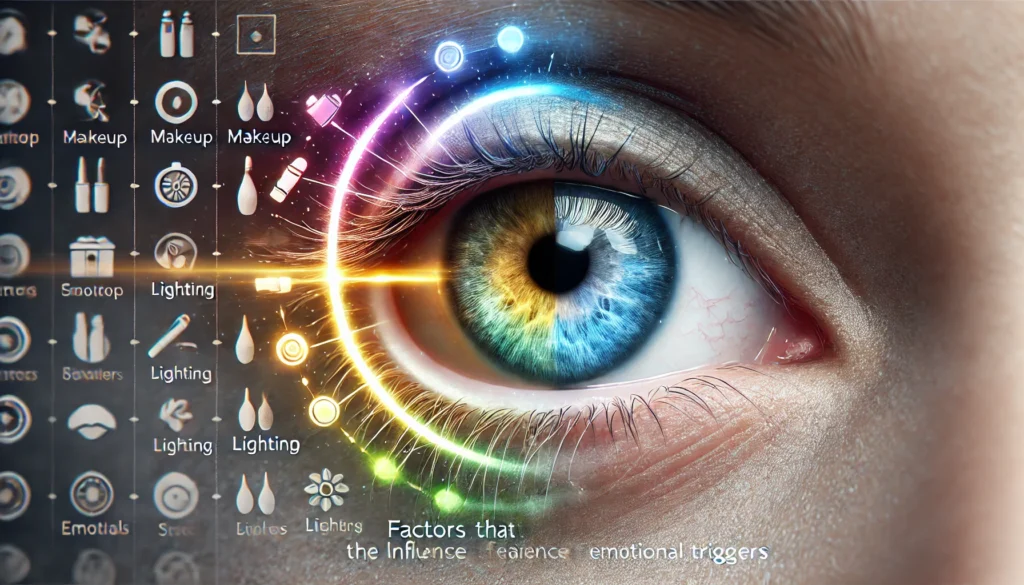
Lighting Conditions and Eye Color
Lighting has a significant impact on how eye color is perceived. For instance, in bright sunlight, your pupils constrict, allowing more of your iris to be visible, which can make your eyes appear lighter. In dim lighting, your pupils dilate, and your eyes might look darker or more intense.
- Bright light: Makes lighter eyes, like blue or hazel, appear more vibrant and noticeable.
- Low light: Causes darker eyes, like brown, to seem even deeper, while lighter eyes may look less bright.
Clothing and Makeup
Clothing and makeup choices also have a dramatic effect on how your eye color is perceived. Colors that contrast or complement your natural eye color can make your eyes seem more vibrant.
- Blue eyes: Blue eyes can appear more intense when paired with complementary colors like orange, gold, or red makeup or clothing.
- Brown eyes: Brown eyes can look richer when wearing shades like navy blue, plum, or green.
- Green eyes: Shades of purple or pink makeup can make green eyes appear more vivid.
Genetic Factors in Eye Color Shift: What You Should Know
Can Your Eyes Permanently Change Color Due to Emotions?
While emotions can temporarily affect the appearance of your eye color, they don’t cause any permanent changes. There are, however, several factors that can lead to a permanent shift in eye color:

- Aging: Melanin levels in your iris can change over time, causing lighter eyes in older adults.
- Medical Conditions: Conditions like Horner's Syndrome or Fuchs' Heterochromic Iridocyclitis can cause permanent changes to the pigment in your eyes.
- Glaucoma Medications: Some medications used to treat glaucoma have been known to darken eye color over time, particularly in individuals with lighter eye colors.
If you notice a sudden or dramatic change in your eye color, it’s essential to consult with a medical professional, as this could be a sign of an underlying health issue.
What Changes Eye Color? Understanding the Science and Surgical Options
Conclusion: Do Emotions Really Change Your Eye Color?
In summary, eye color doesn't actually change based on emotions, but your pupil size and other factors can create the illusion of a color shift. Intense emotions like joy, excitement, or anger can cause your pupils to dilate, making your eyes appear darker or more vibrant. On the other hand, emotions like sadness or fatigue can cause your pupils to constrict, making your eyes appear lighter or less intense.
Frequently Asked Questions About Eye Color and Emotions
Can my eye color change naturally?
Yes, factors like aging, certain medical conditions, or medications can cause your eye color to change naturally over time. For example, conditions such as Horner's Syndrome or Fuchs' Heterochromic Iridocyclitis can affect eye pigmentation.
Do emotions really change my eye color?
Emotions don’t physically change the pigment in your eyes, but they can affect the size of your pupils. When your pupils dilate or constrict, it alters how much of your iris is visible, which can create the illusion of a color change.
How do lighting and environment affect my eye color?
Lighting can have a big impact on how your eye color is perceived. Bright light causes your pupils to constrict, making your iris more visible and your eyes appear lighter. In dim light, your pupils dilate, which can make your eyes look darker.
Can I permanently change my eye color?
Yes, it is possible to permanently change your eye color through procedures such as laser eye color change surgery or iris implants. However, these surgeries come with significant risks, including vision loss or glaucoma, and should be thoroughly discussed with a healthcare professional.
What’s the safest way to temporarily change my eye color?
The safest way to temporarily change your eye color is by using colored contact lenses. These provide a non-invasive solution and are available in a variety of colors. Make sure they are prescribed by a licensed professional to avoid infections or other complications.
Why do my eyes sometimes look more vibrant when I’m happy?
When you're happy or excited, your pupils dilate, which can make your eyes look more vibrant. This dilation allows more light to reflect off your iris, making your eye color appear more intense, especially in people with lighter eye colors like blue or green.
If you're looking to change your eye color permanently, there are other options available, like colored contact lenses or even eye color change surgery. At Eye Color Change, we can help you explore your options for making your dream eye color a reality. Contact us today for personalized advice and consultations with professionals in the field.
Leave a Reply